Table of Content
As your child improves and is able to be at home, nurses will teach and help you become comfortable with the PICC line and care before you do them yourself. Husband on PICC parenteral feeding for one week, but one line broke off in hospital and nephrologist advised him to have central line put in. TPN probably is temporary as he had a GJ enteral tube placed in May, but heavy gastric output MDs here can't solve has them switching temp. The Oley Foundation Support Community connects patients, families, friends and caregivers for support and inspiration. This community is sponsored by the Oley Foundation, an Inspire trusted partner.

Scrub the top and sides of the port with an alcohol wipe for 15 seconds. Scrub using a twisting motion as if juicing an orange Let it dry completely. Prevent it from touching anything while drying.
Removal of PICC line at home and not in the hospital?
Inject the flushing solution into the tube. Gently remove your bandage and wipe the port of the catheter with alcohol. If there is a cap, open it and insert the tip of the syringe into the port. Push the plunger down slowly and gently to inject the solution into the PICC line. This is the liquid that you will send through the PICC line. Your healthcare provider will tell you what kind to use.
Some medicines can irritate the small veins, and giving these treatments through the PICC line reduces that risk. The larger veins in your chest carry more blood, so the medicines are diluted much faster, reducing the risk of injury to the veins. A PICC line is one type of catheter used to access the large veins in your chest . Examples of other types of central venous catheters include implantable ports and central lines. You might also have to flush your PICC line with a solution containing heparin, a blood thinner that prevents blood from clotting around your catheter. If you are applying a gauze bandage, gently cover the catheter site and apply tape around the entire perimeter of the gauze.
Steps on PICC Line Removal
The patient should be lying flat on his or her back, facing upwards, with all four limbs in contact with the bed. This is known as a supine position.Make sure the patient has a clean bed, with fresh sheets. This helps to make the patient more comfortable and avoid infection.

They have radiology remove the line to make sure that nothing is left behind. It is necessary to document aspects of the procedure. Use the progress notes to document the date, time, type, and condition of the catheter at the time the central line was removed. Also, make notes on the condition of the patient. Chart conditions such as discharge, swelling, and redness of the patient’s skin. Put used syringes and supplies into your regular trash.
How do I order supplies?
If it gets wet or torn, change it right away. Do not put lotions or ointments under the dressing. If you don’t have access to soap and water, use an alcohol-based hand gel.
There may be times when your provider and you as caregivers would allow it but it should be discussed with your medical team. Remove the cap of the syringe and push the plunger down all the way. Put the tip of the syringe into the solution, then pull the plunger to slowly fill the syringe to the amount recommended by your physician. This is a serious complication of PICC line removal that can cause the patient to lose consciousness if a blood clot reaches the brain.Swelling and redness. These inflammatory symptoms can also occur as a complication of PICC line. The swelling and redness usually develop near the insertion of the catheter site.
Purchase a special airtight PICC line covering to wear in the shower, or when you are anywhere near water (e.g. when watering your lawn). Gently remove the bandage without pulling or touching the catheter. Discard the old bandage in the trash bag. Wash your hands with soap and water, or use an alcohol-based hand sanitizer thoroughly before you handle the PICC line.
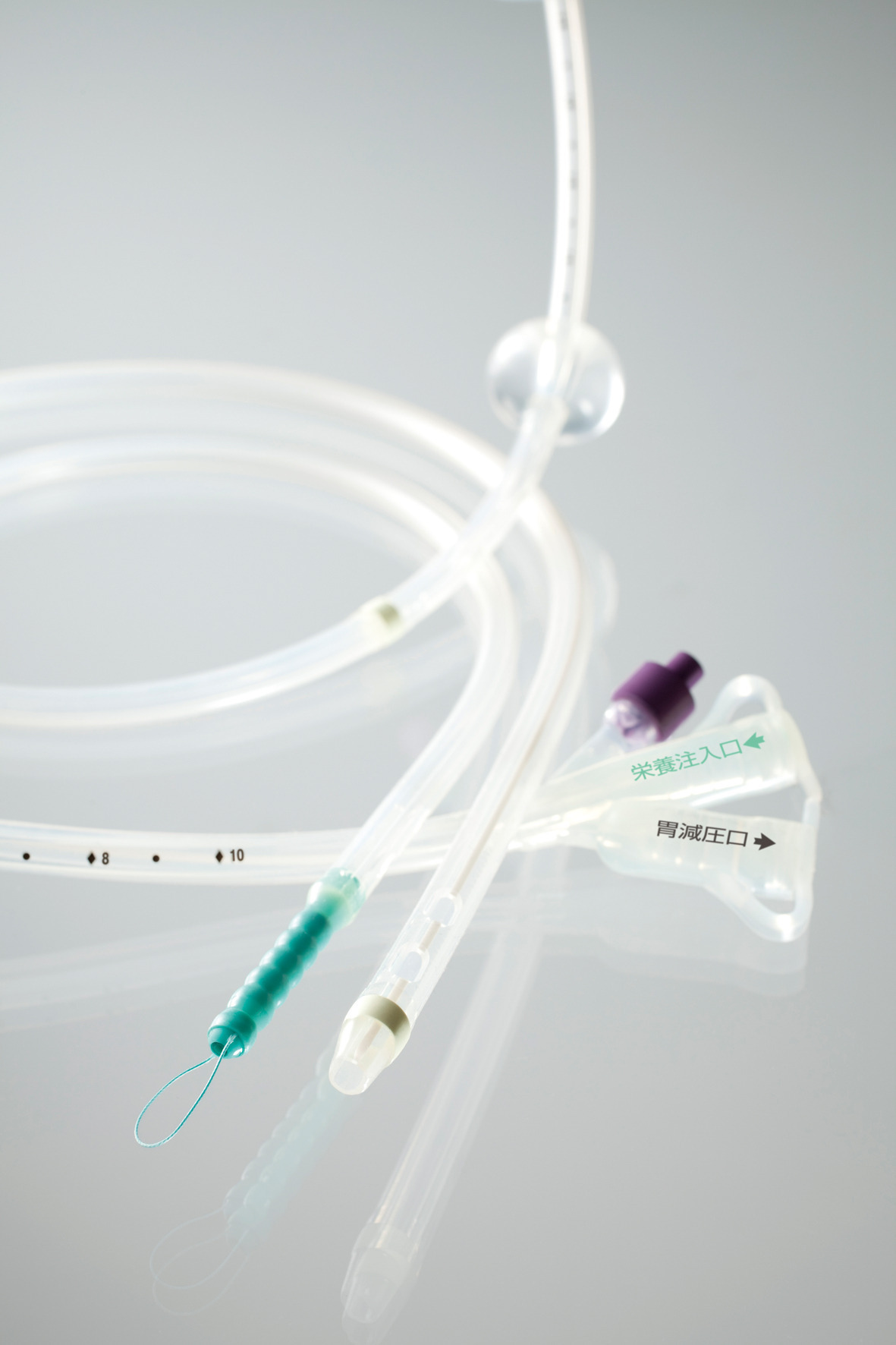
Upon removal of the catheter, immediately cover the insertion site with sterile gauze and hold it in place using light pressure. Prepare the materials for removing the catheter. The nurse should monitor the patient for the next hours following the procedure. The dressing should remain in place for hours, according to the timeframe in which the catheter was in position. Closely watch the patient after the removal for signs of infection, bleeding, and air embolism. Allow to dry for 30 seconds and until completely dry.
For syringes with blood, use a special container, such as a hard plastic bottle with a screw-on lid. Label it, "Do Not Recycle - Household Sharps."Do not overfill the sharps container. Disposal varies depending on the area you live in. Some communities have a household sharps collection program. To find out what you should do, check with your garbage collection company, pharmacy, or clinic.

Keep the port from touching anything until you connect the syringe. If you accidently touch the port, clean it again. Scrub the injection cap with a new CHG wipe for 30 seconds. Scrub the injection cap with a CHG wipe for 30 seconds. It is very important to prevent infection, of the PICC line may need to be removed. There are things you can do to prevent a PICC line infection.
Advise the patient on the proper dosages for pain medications. After removal of the catheter, the patient may experience pain in the upper arm. Ibuprofen is a non-steroidal anti-inflammatory medication that has both antipyretic and analgesic properties.



No comments:
Post a Comment